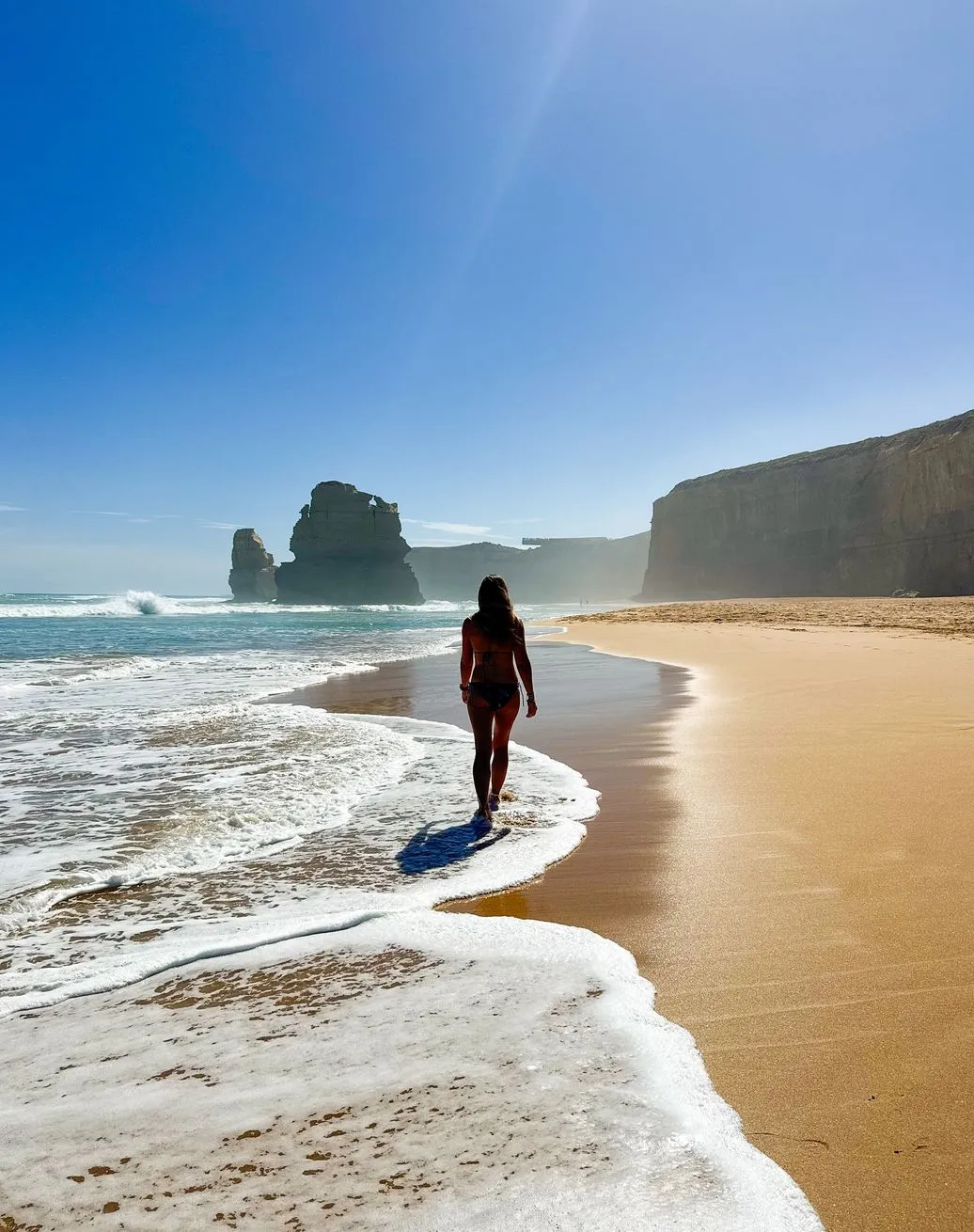
The Great Ocean Road is one of Australia’s most iconic—and perhaps most misunderstood—scenic routes. That 240-kilometre stretch along Victoria’s southern coast is as much a part of history as it is a testament to human resilience. Behind its breathtaking views lies a story of hardship, endurance and sacrifice that shaped the road into what it is today.
That story begins with the men who built it. Many travellers don’t realise that the Great Ocean Road is the world’s largest permanent memorial. Construction began in 1919 and took 13 years to complete. It was built by the very people who had just come back from World War I—soldiers who were driven to put their lives back together. They didn’t just want to rebuild their own lives; they also wanted to connect isolated communities, kickstart the local tourism industry and give veterans a reason to be proud of their work.
That’s exactly what they did. They took a rough track through the dense wilderness and turned it into one of the world’s most famous roads. The sheer determination and courage of that workforce—made up entirely of former soldiers—made that engineering feat possible.
If you want to appreciate the natural beauty and historical depth of the Great Ocean Road, booking a guided tour is a great way to do just that. Knowledgeable guides will show you the sights and share the stories behind them.
The human cost of that construction is harder to quantify. We don’t know exactly how many workers died during the building of the Great Ocean Road. Historical accounts suggest it was several dozen. Every day on that job was a risk to life. Landslides, accidents with tools and explosives, and illnesses linked to the tough living conditions all took their toll. There was no safety equipment, and no proper medical care. The construction zone was a crucible of human endurance, where men worked long hours every day for the sake of purpose and income after the horrors of war. And sometimes, that just wasn’t enough.
Contents
Working Conditions and Daily Life
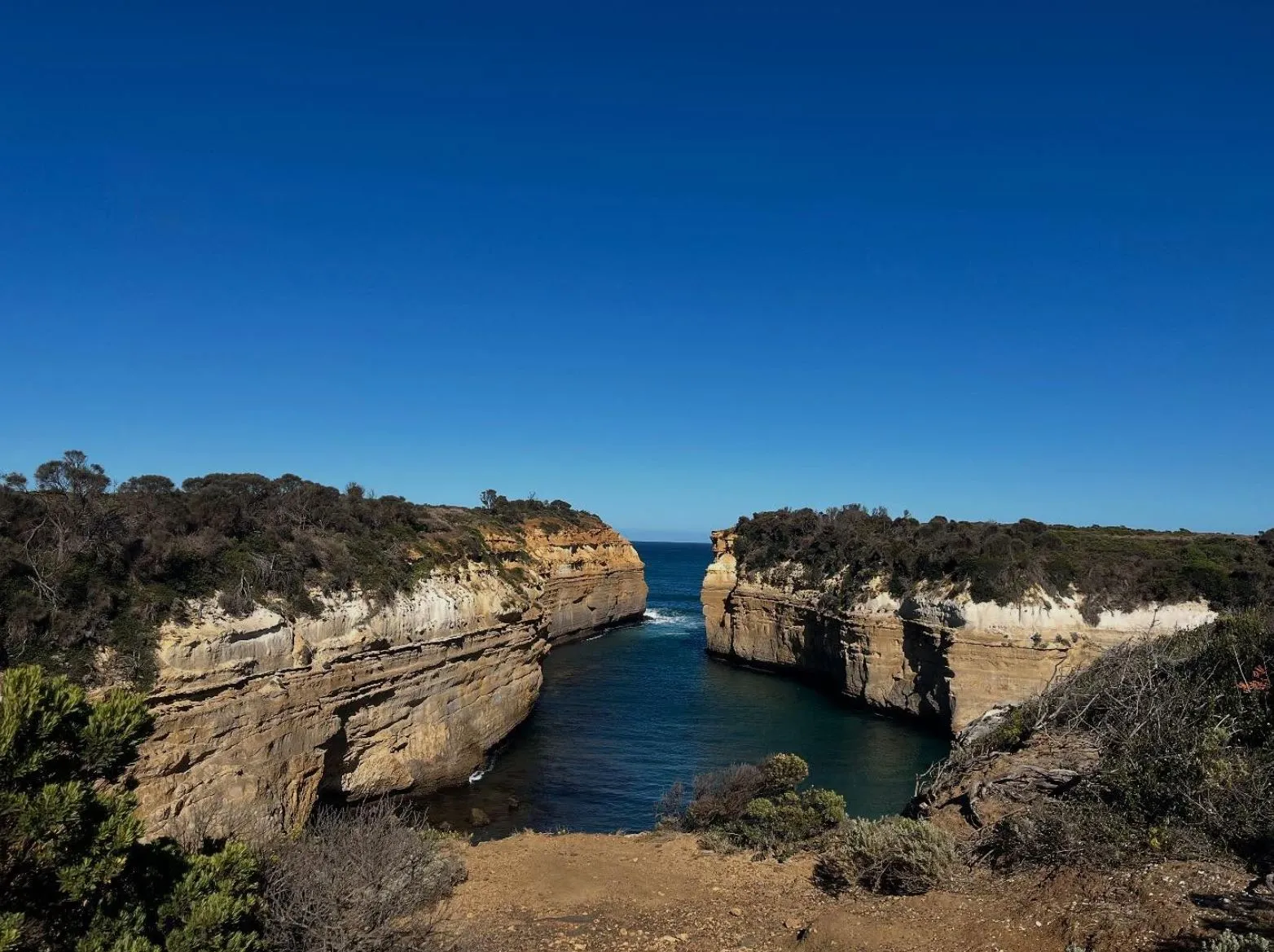
Labourers used manual tools – picks, shovels and wheelbarrows. No mechanical earthmovers – just sweat and toil. They carved through limestone cliffs, cleared scrub and built the road by hand. Explosives were used with minimal training – another layer of danger to an already hazardous job.
They lived in rough campsite huts or tents near the work sites, often beachside camps near fresh water. Meals were basic – sometimes fish, bread and the occasional barrel of beer to lift morale. These camps were often muddy and overcrowded with little shelter from the weather. But in the midst of hardship there was a sense of brotherhood and purpose.
The Bigger Picture: Timber Industry, Tourism, Economy
Beyond the soldiers, the road had strategic and economic benefits. It opened up the timber industry, moved natural resources and connected coastal towns and historic ports that had been cut off for decades. It brought together pretty towns, historic towns and seaside towns and laid the foundation for tourist destinations.
Today a Great Ocean Road trip is one of the most popular tourist experiences in Australia with visitors from all over the world coming to see its dramatic coastline and heritage sites.
Many of these areas, once reliant on coastal steamers, experienced a revival when the road made it easier to get to and trade. The construction costs were huge and progress was often halted due to funding shortages, natural disasters or worker injuries. But despite all the obstacles the road was a reality and it stood the test.
Today these towns are thriving with beautiful beaches, beautiful buildings and attractions that combine history and nature. From historic shipwrecks and natural rock formations to coastal wineries and galleries the Great Ocean Road continues to support local economies and showcase Victoria’s history.
A Journey Through Time and Beauty
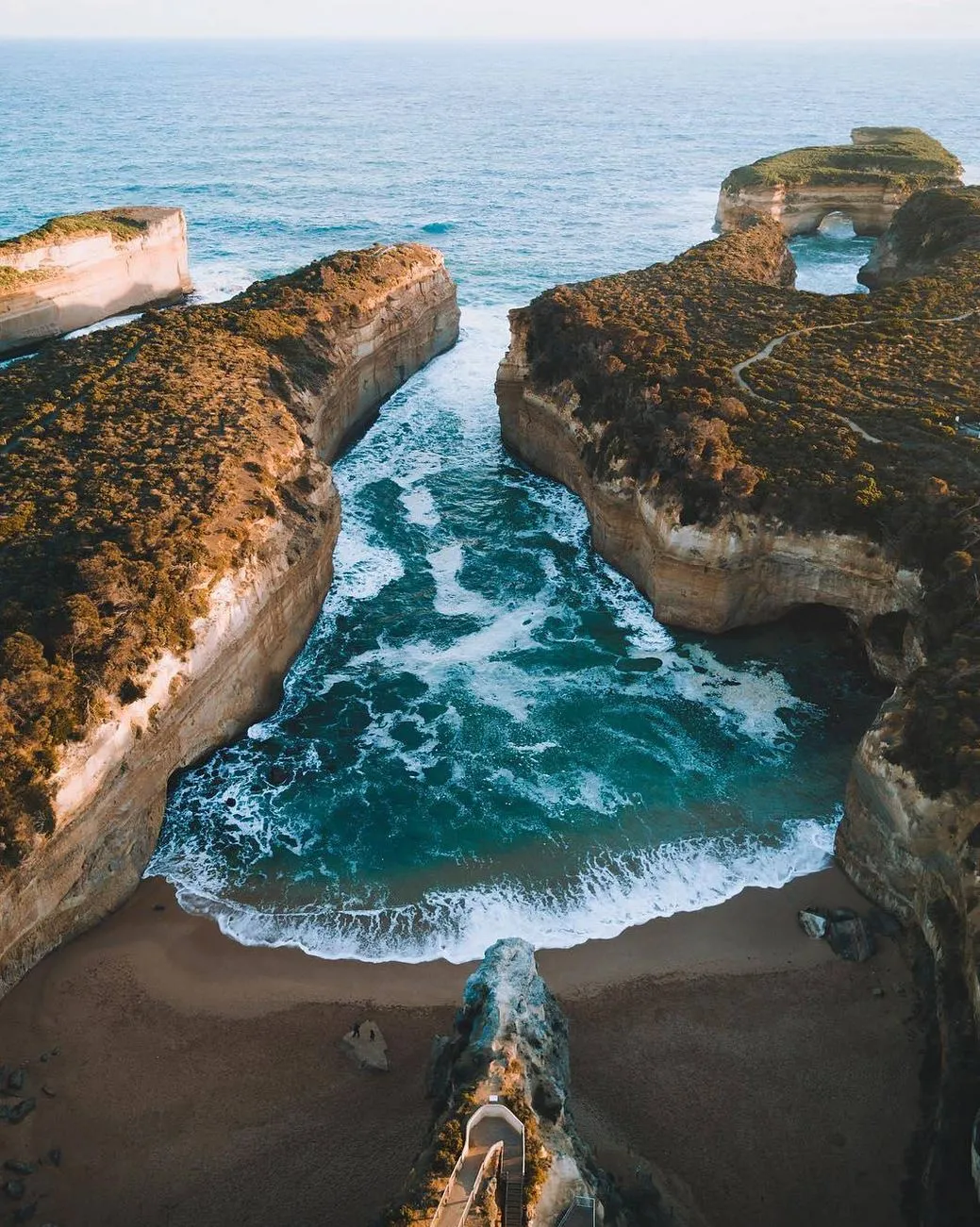

Driving the Great Ocean Road is more than a scenic drive – it’s a journey through Australia’s history. Every bend reveals stunning views, ocean views and reminders of the sacrifices made. For the beach lover there are countless coves and bays to discover. For the history buff there are plaques, memorials and old photos along the way.
Highlights include the famous Twelve Apostles, the windswept cliffs of Loch Ard Gorge and the lush rainforests of Great Otway National Park. Along the way you can drive through coastal towns like Lorne, Apollo Bay and Port Campbell. These towns have everything from luxury retreats to rustic cabins, all close to walking trails, lookouts and natural beauty.
A guided Great Ocean Road tour often includes these highlights and will give you insight into the region’s geology, Indigenous history and wartime heritage.
Honouring Their Legacy
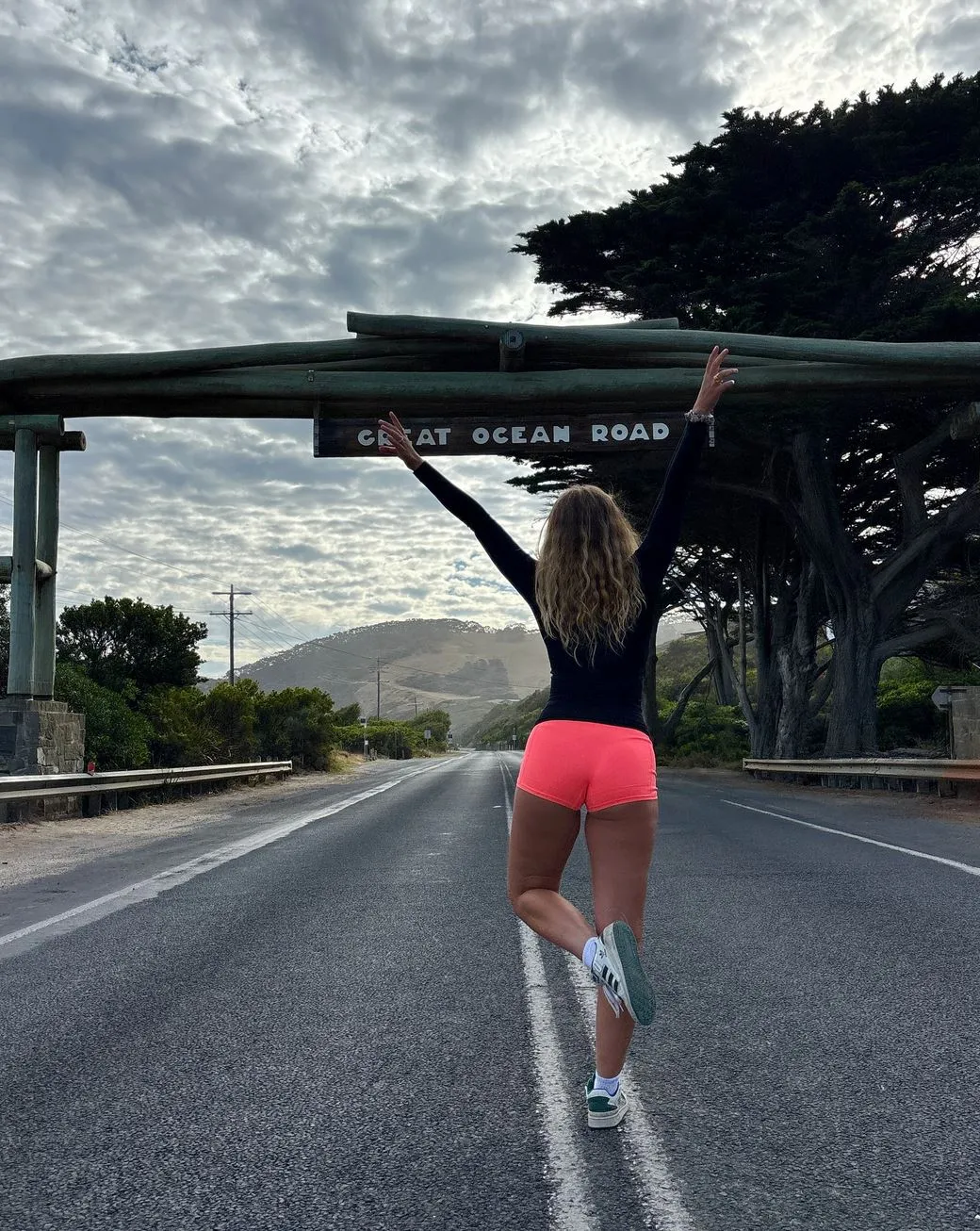
At Eastern View the Memorial Arch is a lasting tribute to the workers and soldiers who built the road. This beautiful building invites you to stop and reflect. Interpretive signs tell the stories of the men who built the road and the communities that supported them.
Beyond the arch there are various memorials, statues and preserved worker camps along the way. Some camps have been turned into heritage sites, others remain untouched and offer a glimpse into the past. The road itself is a living museum – every kilometre a chapter of perseverance, grief, hope and triumph.
Conclusion
The Great Ocean Road is more than a road—it’s a monument to sacrifice and survival. We don’t know the exact number of lives lost but their legacy lives on in the bends of this tough road, in the stories passed down through the generations and in every traveller who drives it.
Whether you want natural wonders, dramatic scenery or a deeper connection to Australia’s history, this coastal road has it all. From the rough terrain that took lives to the coastal tracks that now carry hikers and sightseers, the Great Ocean Road is one of the most inspiring and humbling journeys in the world.
If you’re going to visit, join a Great Ocean Road Day tour and turn a simple road trip into a journey of discovery of Australia’s past and present.
FAQ
Why was the Great Ocean Road built?
To connect isolated communities, promote tourism and provide work for returned World War I soldiers. Also to boost the timber industry and access to natural resources.
Who built the Great Ocean Road?
Returned Australian World War I soldiers who made up the entire workforce under harsh conditions.
Is the Great Ocean Road a war memorial?
Yes, it’s the world’s largest permanent memorial to soldiers who served in World War I marked by the Memorial Arch.
How long did it take to build the Great Ocean Road?
Started in 1919 and finished in 1932, 13 years and overcame construction costs, bad weather and rough conditions.
What can you see along the Great Ocean Road?
Historic towns, seaside towns, coastal towns, limestone cliffs, natural rock formations, beautiful beaches, coastal drives, nearby campsites and shipwrecks – one of the most scenic and historic drives in the world.