Yes. Whether you’re a PMU artist crossing into body art or a beginner building your tattoo portfolio with practice skin, you’ll need to follow strict licensing and health department regulations, especially in Melbourne.
The art of tattooing has exploded in Australia, with career opportunities booming for talented tattoo artists. But navigating licensing, infection control, and apprenticeship hours isn’t always clear-cut, particularly for self-taught artists or those learning online.
If you’re just starting out, fine line tattoo courses can help you build essential skills before moving on to real skin under a licensed setup.
Let’s break it all down and get your tattooing journey started the right way.
Contents
- 1 What is Fine-Line Tattooing?
- 2 Licence Needed to Tattoo in Australia?
- 3 What Licensing Looks Like in Victoria
- 4 Do I Need a Qualification to Tattoo?
- 5 Can I Be a Self-Taught Artist?
- 6 Tattoo Apprenticeship vs. Tattoo Courses
- 7 What About Tattoo Equipment and Setup?
- 8 Risks of Tattooing Without a Licence
- 9 How to Build a Tattoo Career
- 10 Final Thoughts
- 11 FAQ
What is Fine-Line Tattooing?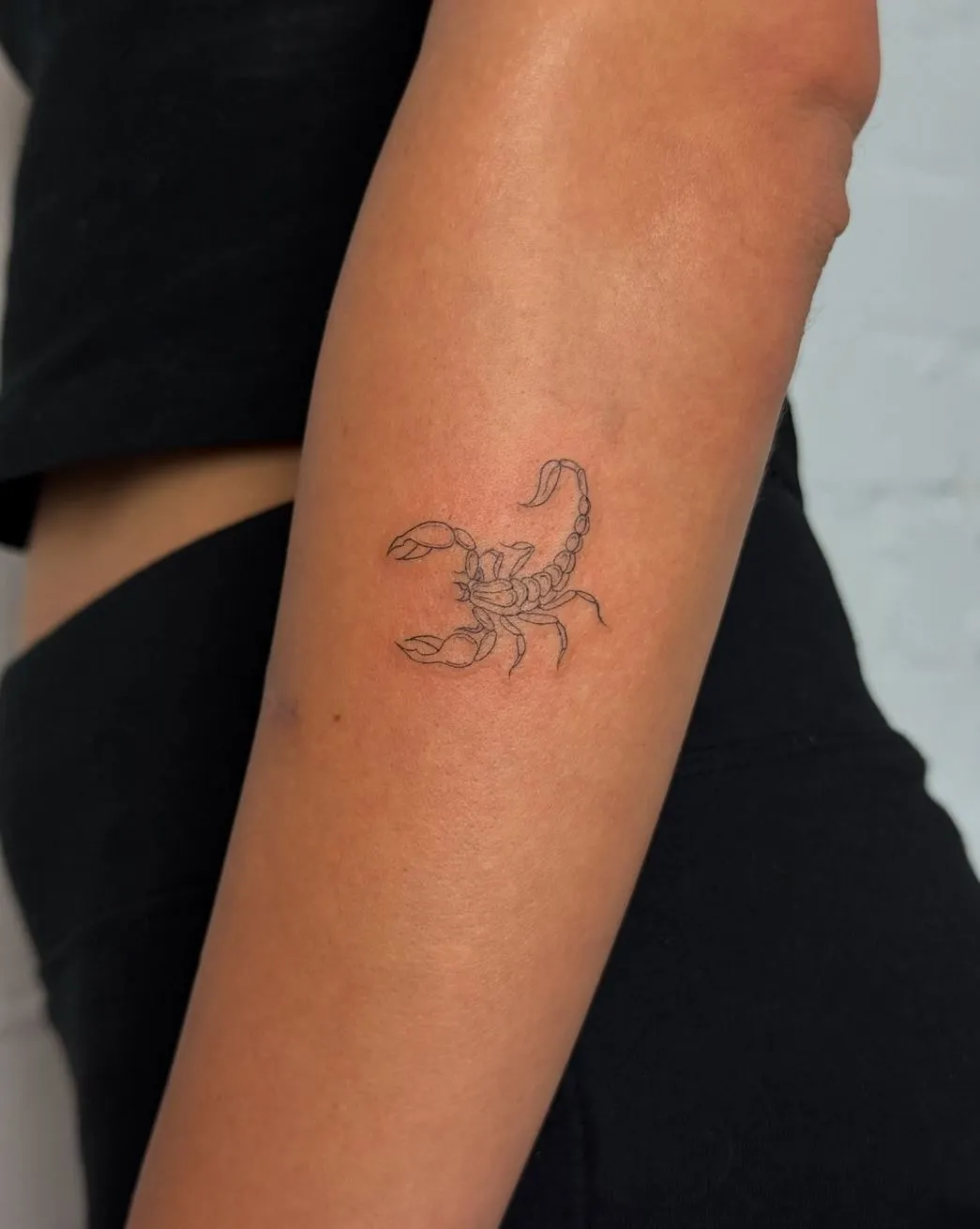
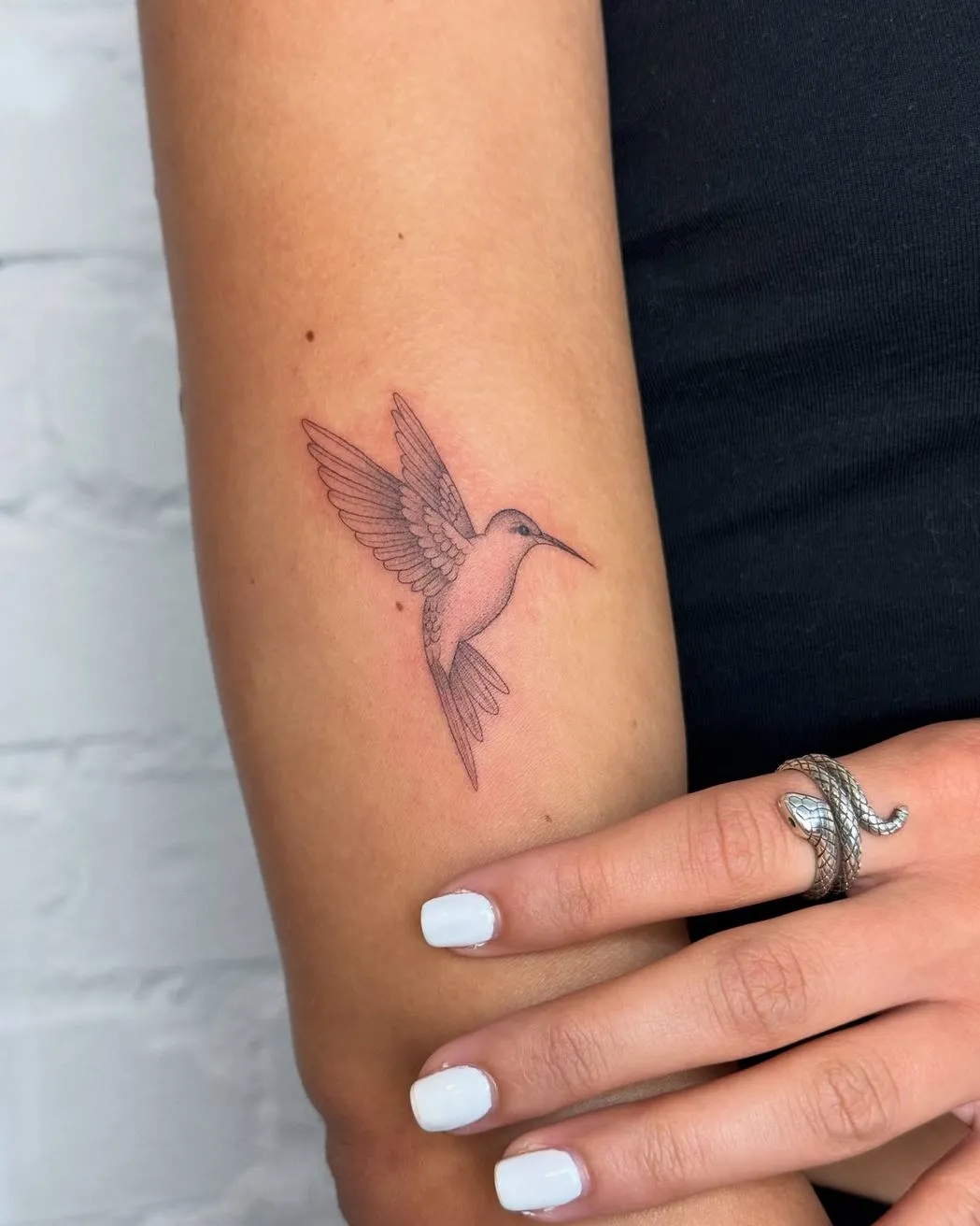
Fine-line tattoos are all about precision, detail, and control — single needle, minimal trauma, maximum impact.
You’ve seen the style:
- Tiny symbols, florals, scripts
- Intricate designs with ultra-fine outlines
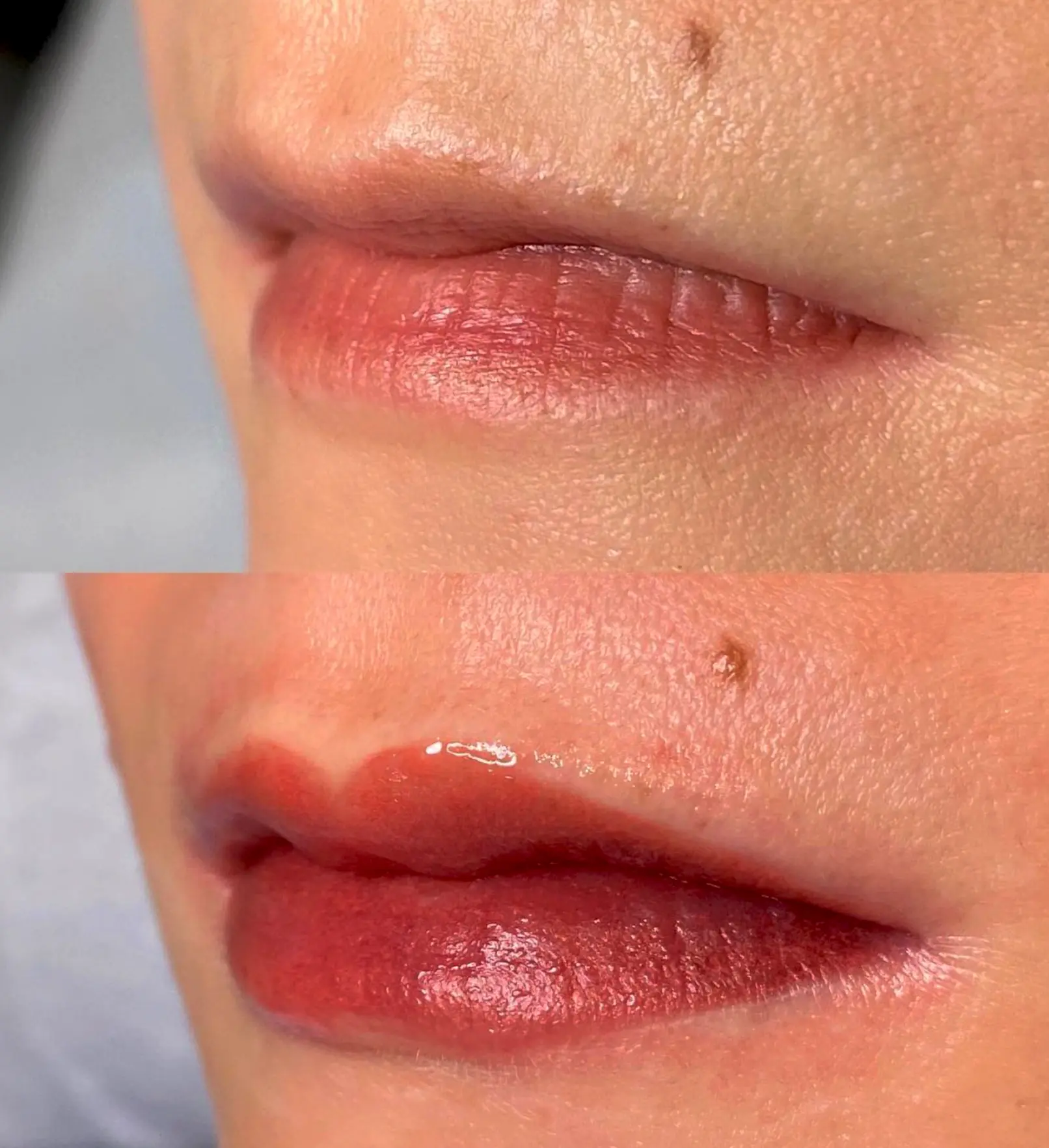
- Combined techniques like stipple shading and cosmetic tattoos (think faux freckles or barely-there brows)
Whether you’re working as a cosmetic tattoo artist or transitioning into full-body art tattooist work, you’re still doing skin penetration. And that means legal requirements apply.
Cosmetic Tattoo Melbourne Studio Face Figurati offers hands-on training and safety-focused support for new artists.
Licence Needed to Tattoo in Australia?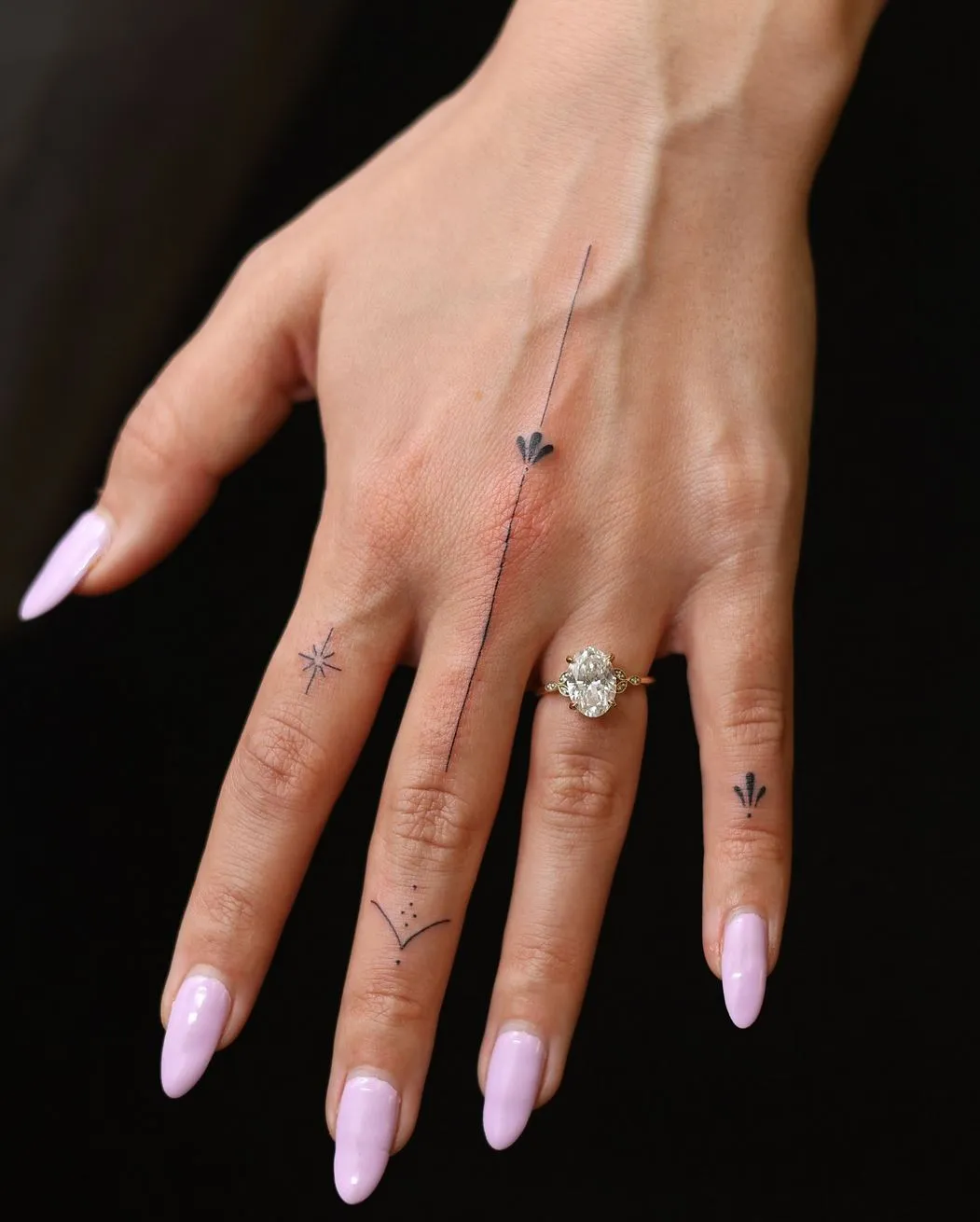
Absolutely. Every state and territory in Australia requires tattoo artists to be licensed, regardless of the type of tattooing services you offer, even if you’re doing advanced techniques on fake skin for now.
| State/Territory | Licence Required | Governing Body | Key Considerations |
|---|---|---|---|
| VIC | Yes | Local Council + Environmental Health | Infection control & sterile workspace are mandatory |
| NSW | Yes | SafeWork NSW | Tattooist licence and health inspection |
| QLD | Yes | QLD Health | Criminal checks & valid certifications |
| WA, SA, TAS | Yes | Local or state health bodies | All body art practitioners must be licensed |
| NT, ACT | Yes | Local council | Cosmetic tattoos are included under regulations |
Even if you’re doing hands-on learning through tattoo courses or mentorships, you can’t offer tattoos to clients until you’re legally set up with a tattooist licence and council approval.
What Licensing Looks Like in Victoria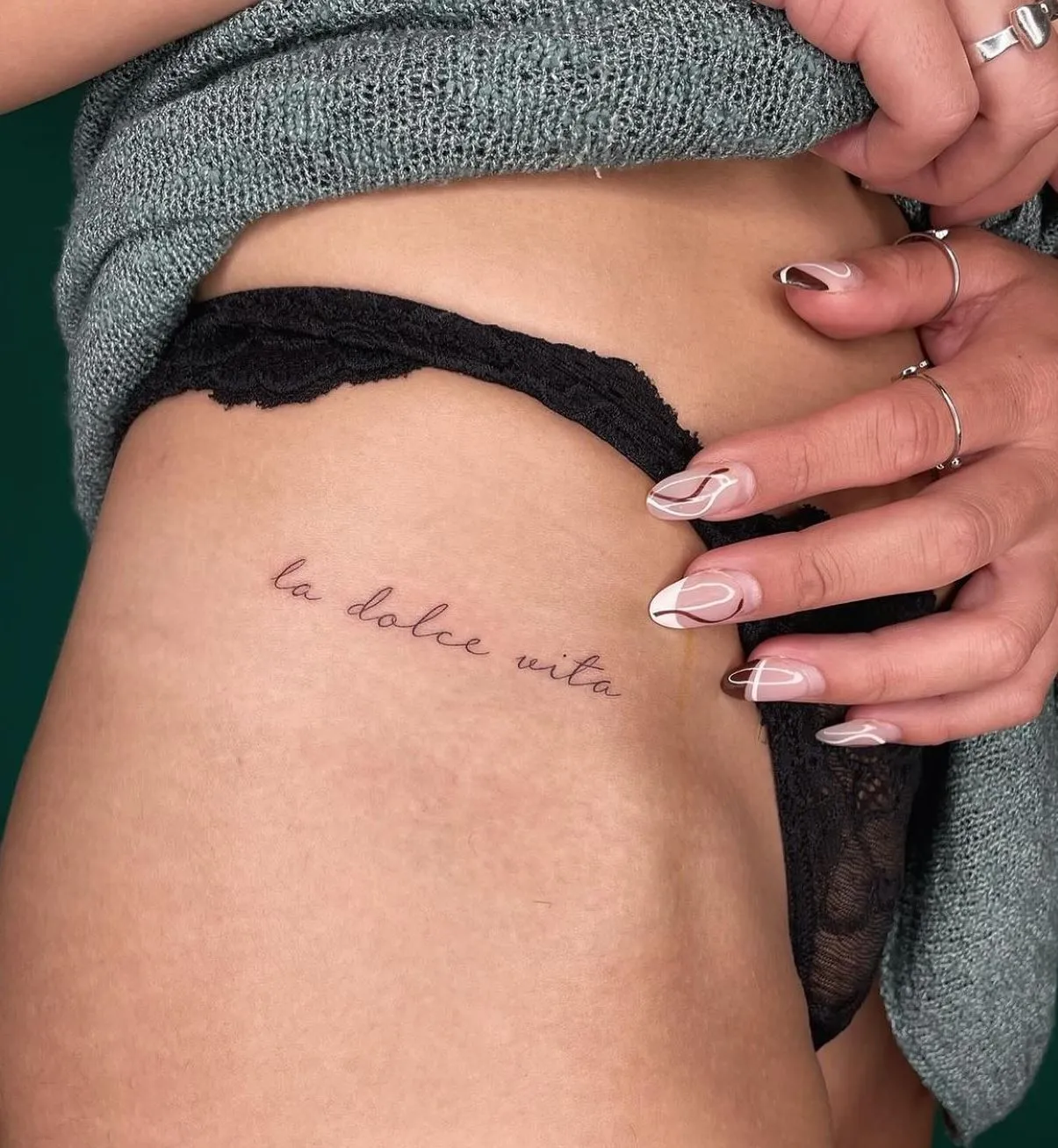
In Melbourne, fine-line tattooing and cosmetic tattoos fall under the Public Health and Wellbeing Regulations 2019. Here’s what that means for your tattoo business:
Council Registration Required
Your studio — even if it’s a converted garage or shared tattoo parlour — needs to be registered with your local council. That includes a health inspection, proof of hygiene protocols, and equipment compliance (machine setup, clip cords, grip tape, etc.).
You’ll Need a Certificate in Infection Control
Most Melbourne tattoo shops expect you to have:
- HLTINF005: Maintain infection control standards for skin penetration
- Or equivalent training that meets industry and regulatory standards
This proves you understand hygiene practices, safety protocols, needle selection, and sterilisation — no shortcuts.
Studio Fit-Out Must Pass Inspection
Expect to demonstrate:
- A sterile workspace
- Sharps disposal
- Clean equipment and tattoo skin handling
- Safe pigment and tattoo balm storage
If you don’t meet these standards, your application for licensure may be denied or delayed for months.
Do I Need a Qualification to Tattoo?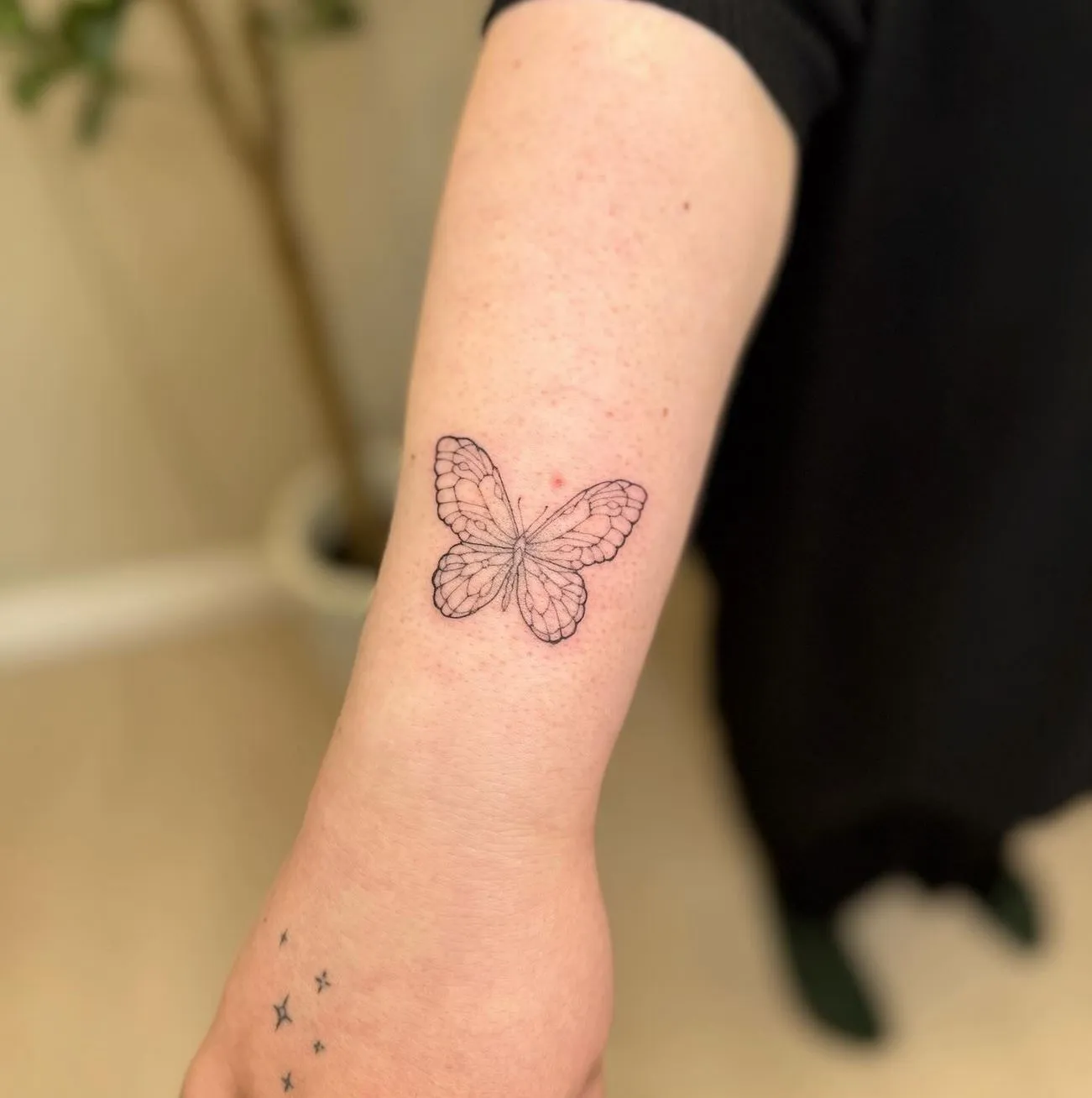
You don’t need to be a qualified nurse or dermal therapist, but you do need tattoo training. That can come via:
- Formal Tattoo Courses (online or in-person)
- Apprenticeship Opportunities (usually 2–4 years)
- Mentoring by Experienced Tattoo Artists
- Online Study through reputable providers like the Institute of Ink or Tattoo Masters
Some artists also supplement with advanced qualifications in cosmetic tattooing or Skin Theory (for PMU work).
Can I Be a Self-Taught Artist?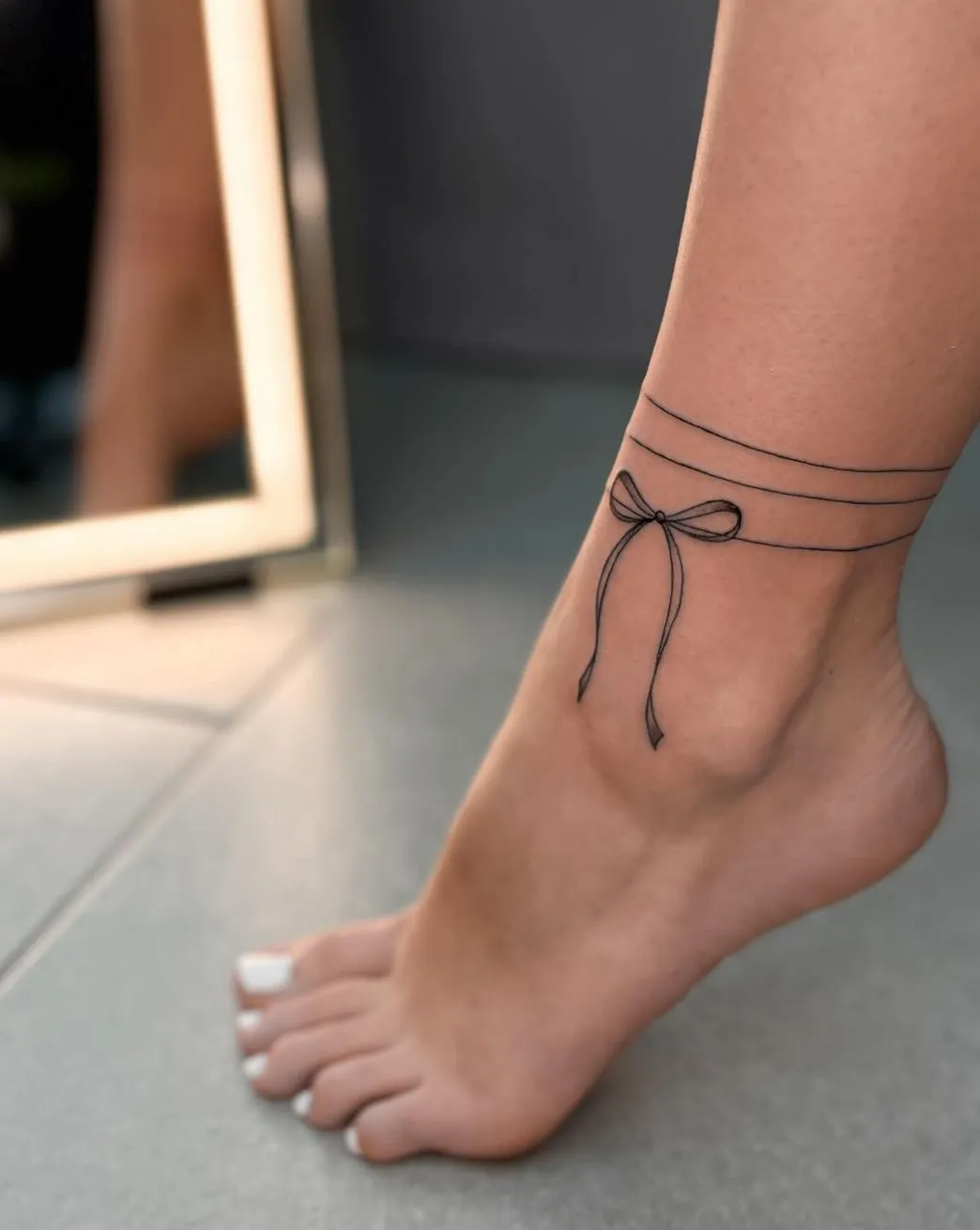
You can be a self-taught artist — many are — but if you want to practise tattooing services on real skin legally, you must:
- Work under a licensed studio or tattoo trainer
- Get approved by the council
- Pass the essential safety and infection control standards
You can build your skills on practice skin or pig skin, study theory portions online, and create a compelling portfolio. But at some point, hands-on experience with real skin, under supervision, becomes essential.
Tattoo Apprenticeship vs. Tattoo Courses
There’s no one-size-fits-all path into the tattoo industry. Here’s how they compare:
| Path | Pros | Cons |
|---|---|---|
| Apprenticeship Model | Real-time learning from experienced artists, access to the studio | Often unpaid, competitive, and may require 1–3 years |
| Online Tattoo Courses | Flexible payment plans, instant access, theory-heavy | Lacks live model work unless bundled with hands-on learning |
| In-Person Tattoo Training | Studio environment, machine techniques, guided practice | May require travel, higher cost upfront |
| Combined Techniques Courses | Include cosmetic tattoos + body art | Great for PMU artists crossing into tattoos |
Success depends on your learning experiences, tattoo trainer, and access to additional models and practice time.
What About Tattoo Equipment and Setup?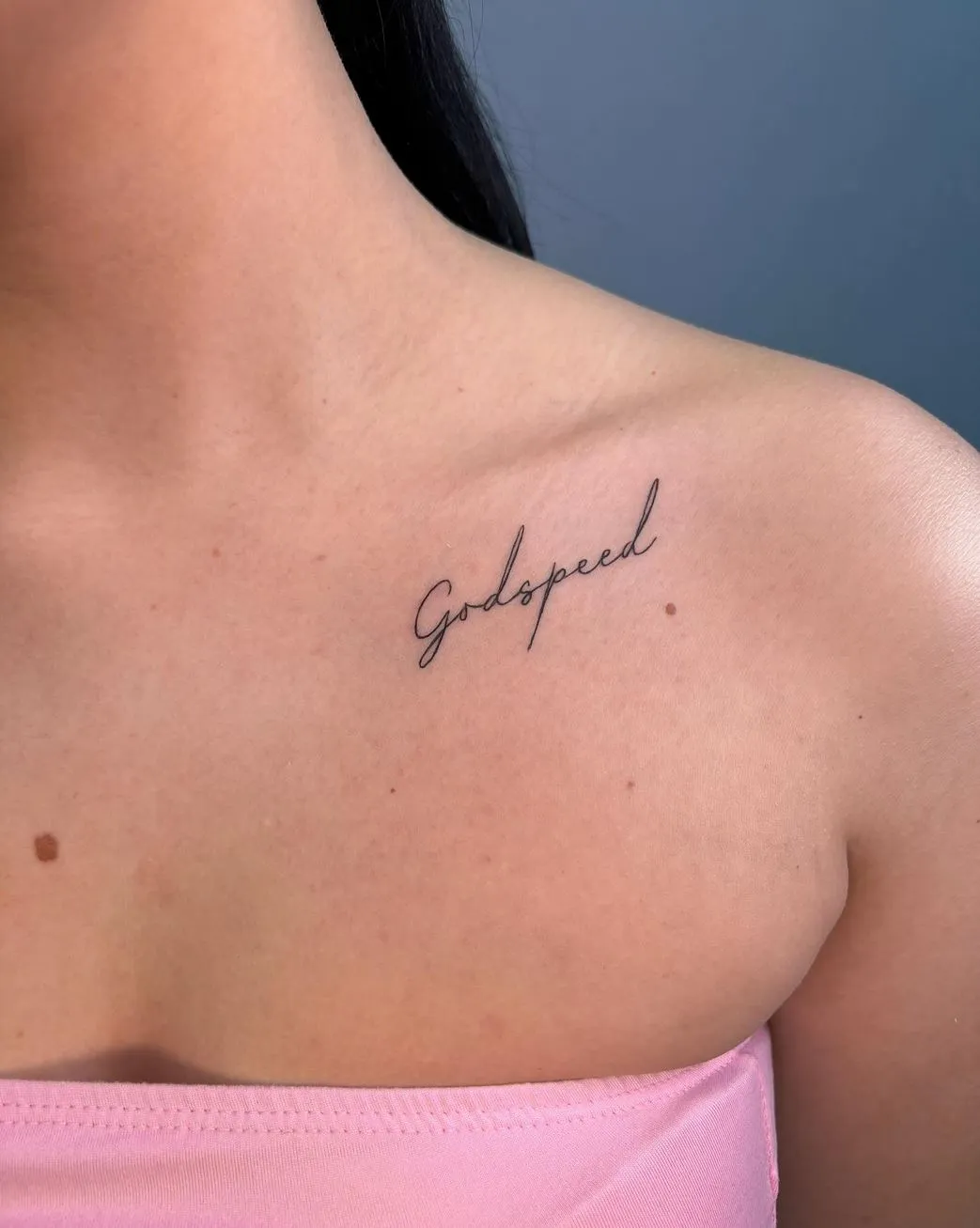
A lot of beginner tattoo artists underestimate how technical tattooing is. Essential skills include:
- Tattoo machine setup and maintenance
- Correct grip and needle depth
- Choosing the right type of tattoo for each client and skin type
- Application for saturation without overworking the skin
Whether you’re using a rotary machine, coil machine, or specialised tattoo printer, you need practical learning in:
- Precise lines
- Tattoo finish and healing stages
- Tattoo grip technique and aftercare protocols
Risks of Tattooing Without a Licence
Still tempted to wing it from home with a few mates and some fake skin?
Here’s what’s on the line:
- Maximum Penalty: Up to $20,000 in fines in VIC
- No Insurance Cover: Without a licence, insurers won’t protect you
- Client Safety Risks: Infections, allergic reactions, bloodborne diseases
- Failed Health Inspection: Your tattoo career could be over before it begins
Even offering free tattoos to clients without proper oversight can land you in legal hot water. It’s not worth the shortcut.
How to Build a Tattoo Career
- Find a Reputable Tattoo Studio: Look for friendly community vibes, solid hygiene, and experienced tattoo artists offering continued guidance.
- Train With Tattoo Masters or Seasoned Professionals: Watch how they set up, deal with different skin types, and create distinctive tattoo designs.
- Create an Online Portfolio: Show off your intricate designs, fake skin practice, and healed results.
- Join a Mastermind Online Community: Learn from successful students, share learning experiences, and get feedback.
- Book in Effective Client Consultations: Ask about health conditions, past tattoos, lifestyle — not just placement and design.
Final Thoughts
Whether you’re aiming to become a professional tattoo artist or blend cosmetic tattoos into your service menu, the tattooing process demands more than artistic skills. It calls for licensing, training, and care for the real skin you’ll work on.
If you’re serious about a rewarding career in the tattoo industry — not just a side hustle — take the steps to become a licensed tattoo artist. Clients, councils, and your future self will thank you for it.
FAQ
Do I need a tattoo licence to practise on fake skin?
No. But as soon as you move to real skin — even on friends — licensing laws kick in.
Can I train fully online to become a tattoo artist?
Partially. Theory and Skin Theory can be done online, but hands-on learning is essential. Look for hybrid courses that offer both.
How long does it take to become a licensed tattoo artist?
Anywhere from 6 months to 2–4 years, depending on your pathway — apprenticeship, full-time study, or part-time training.
What should I expect during the application process?
Council inspections, infection control certification, application fee, and proof of training. It helps to prepare a full-service menu, safety protocols, and evidence of hygiene practices.
What’s included in most starter tattoo kits or courses?
Tattoo machine, grip tape, clip cords, fake skin, tattoo balm, Aftercare Bottles, pigment caps — plus access to a trainer or expert guidance in most cases.